
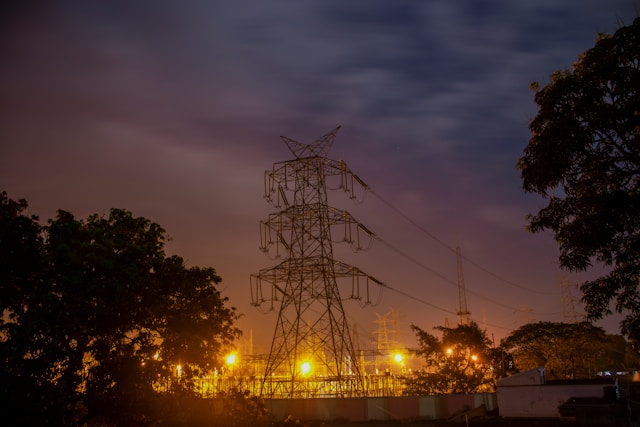
NTPC Limited is India’s largest integrated power company and one of the country’s most important public sector enterprises. The company has transformed from a conventional thermal power producer into a diversified energy company with businesses across coal, gas, hydro, solar, wind, nuclear, green hydrogen, battery energy storage, power trading, mining, and energy services. As India accelerates its energy transition, NTPC’s strategy is increasingly influenced by government policies, economic growth, technological innovation, environmental commitments, and evolving regulations.
The FY2024-25 Integrated Annual Report highlights NTPC’s ambition to become the world’s leading power company, accelerating India’s growth and energy transition. This vision is supported by large investments in renewable energy, green hydrogen, battery storage, nuclear power, and sustainable energy infrastructure.
The following PESTEL analysis examines the major external factors influencing NTPC’s business environment based on the FY2024-25 Integrated Annual Report.
NTPC Business Model in 2026: How Does NTPC Make Money?
Political Factors
1. Government Energy Policies
Government policies promoting energy security, electricity access, renewable energy expansion, and infrastructure development significantly influence NTPC’s investment priorities and long-term growth strategy. As a public sector enterprise, the company plays a key role in implementing national energy objectives.
2. Renewable Energy Targets
India’s ambitious renewable energy and decarbonisation goals create significant opportunities for NTPC’s solar, wind, hydro, battery storage, and green hydrogen businesses while supporting its target of achieving 60 GW of renewable energy capacity by 2032.
3. Infrastructure Development
Government investments in manufacturing, transportation, railways, urban infrastructure, and industrial development continue driving electricity demand, strengthening long-term growth opportunities for NTPC.
4. Public Sector Strategic Role
As India’s largest power producer, NTPC remains strategically important for national energy security. Government support enables the company to undertake large-scale investments in both conventional and clean energy infrastructure.
5. Clean Energy Policy Support
Policy support for green hydrogen, battery storage, nuclear energy, and low-carbon technologies encourages NTPC to diversify beyond conventional electricity generation and develop future energy businesses.
NTPC Business Strategy in 2026
Economic Factors
1. Rising Electricity Demand
India’s growing economy, industrialisation, urbanisation, and increasing electrification continue driving long-term demand for electricity, supporting NTPC’s expansion plans across conventional and renewable energy.
2. Capital-Intensive Industry
Power generation requires substantial investments in power plants, renewable projects, mining, storage infrastructure, and transmission assets. Stable access to capital remains critical for NTPC’s long-term expansion.
3. Fuel Costs and Availability
Coal and gas availability, transportation costs, and fuel price fluctuations directly influence operating costs and profitability across NTPC’s conventional power generation portfolio.
4. Renewable Energy Investments
Increasing investments across India’s renewable energy sector create opportunities for NTPC to expand solar, wind, hydro, battery storage, and integrated clean energy projects.
5. Energy Transition Investments
Emerging sectors such as green hydrogen, carbon capture, pumped storage, and nuclear energy require large capital commitments but also offer significant long-term growth potential.
Social Factors
1. Growing Energy Consumption
Population growth, urbanisation, industrial development, and rising living standards continue increasing electricity demand across residential, commercial, and industrial consumers.
2. Demand for Clean Energy
Consumers, businesses, and governments increasingly prefer cleaner energy sources, encouraging NTPC to accelerate investments in renewable energy and low-carbon technologies.
3. Energy Accessibility
NTPC plays a major role in improving electricity availability across India by supporting reliable and affordable power generation, contributing to national economic and social development.
4. Workforce Development
The company continues investing in employee capability development, technical skills, leadership, safety, and organisational excellence to support future growth across both conventional and renewable businesses.
5. Community Development
NTPC undertakes initiatives in education, healthcare, livelihoods, skill development, water conservation, and rural development, strengthening relationships with communities surrounding its operations.
Technological Factors
1. Renewable Energy Technologies
Advancements in solar, wind, hydro, hybrid systems, and energy storage technologies support NTPC’s strategy of expanding renewable energy generation and improving efficiency.
2. Green Hydrogen and Future Fuels
NTPC is investing in green hydrogen, green ammonia, green methanol, and hydrogen mobility solutions, positioning itself for the future low-carbon energy economy.
3. Digitalisation and Automation
The company uses digital technologies, predictive maintenance, automation, artificial intelligence, and data analytics to improve plant performance, operational reliability, and cost efficiency.
4. Battery Energy Storage Systems
Battery Energy Storage Systems (BESS) and pumped storage projects are becoming increasingly important for balancing renewable energy generation and strengthening grid stability.
5. Carbon Capture Technologies
NTPC continues investing in carbon capture, utilisation, and storage (CCUS) technologies to reduce emissions while supporting the long-term role of thermal power generation.
Environmental Factors
1. Climate Change Commitments
The global transition towards lower-carbon energy is reshaping NTPC’s long-term strategy, encouraging greater investments in renewable energy and clean technologies.
2. Carbon Emissions
Thermal power generation remains carbon intensive, requiring NTPC to invest in emission reduction technologies, cleaner generation methods, and renewable energy expansion.
3. Renewable Energy Expansion
Large-scale investments in solar, wind, hydro, and battery storage projects help reduce the environmental impact of electricity generation while supporting India’s sustainability goals.
4. Water and Resource Management
NTPC continues improving water conservation, ash utilisation, resource efficiency, and environmental management across its power generation facilities.
5. Circular Economy Initiatives
The company promotes circular economy practices through efficient utilisation of fly ash, waste management, resource recovery, and environmentally responsible operations.
Legal Factors
1. Power Sector Regulations
NTPC operates under regulations governing electricity generation, tariffs, environmental compliance, grid operations, and energy market participation, making regulatory compliance central to its operations.
2. Environmental Compliance
The company must comply with regulations related to emissions, pollution control, water usage, waste management, mining, and environmental clearances across all its projects.
3. Mining and Land Regulations
Captive coal mining operations require compliance with mining laws, land acquisition requirements, environmental approvals, and rehabilitation obligations.
4. Occupational Health and Safety
NTPC follows strict workplace safety regulations and industrial standards to protect employees working across power plants, mines, renewable projects, and industrial facilities.
5. Corporate Governance and Sustainability Reporting
As a listed public sector enterprise, NTPC complies with corporate governance standards, ESG disclosures, financial reporting requirements, and sustainability reporting frameworks, ensuring transparency and accountability to stakeholders.