
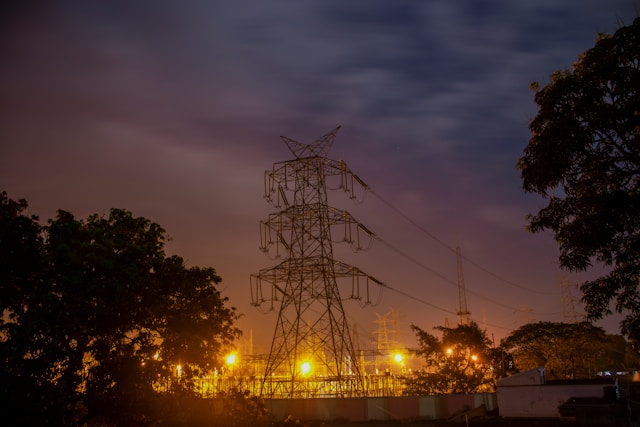
NTPC Limited is India’s largest integrated power company and one of the country’s most important public sector enterprises. Established in 1975, the company has evolved from being a thermal power producer into a diversified energy company with operations spanning coal, gas, hydro, solar, wind, nuclear, green hydrogen, power trading, mining, and energy services. Today, NTPC is positioning itself as a leader in India’s energy transition while continuing to ensure reliable and affordable electricity supply across the country.

During FY2024-25, NTPC crossed 83 GW of installed capacity, maintained its leadership in electricity generation, and accelerated investments in renewable energy, battery storage, green hydrogen, pumped storage, and nuclear power. The company aims to become the world’s leading power company, accelerating India’s growth and energy transition, while balancing energy security with sustainability.
Explore NTPC’s business strategy in 2026. Learn how NTPC is driving growth through renewable energy, energy transition, power generation, green hydrogen, and integrated energy solutions.

NTPC Business Strategy in 2026
Industry Background: Why India Needs an Integrated Energy Company
Electricity is the backbone of economic development. Every manufacturing facility, metro system, railway network, hospital, commercial building, and household depends on a reliable supply of power. As India’s economy continues to grow, electricity demand is increasing rapidly, requiring continuous investments in generation capacity, transmission infrastructure, renewable energy, and grid stability.
The power sector is also undergoing a structural transformation. Governments are promoting renewable energy, reducing carbon emissions, improving energy efficiency, and encouraging new technologies such as battery storage, green hydrogen, and electric mobility. At the same time, the country must maintain reliable base-load power to support industries and households, making energy security equally important.

NTPC addresses this challenge by operating a diversified portfolio that combines conventional power generation with renewable energy and emerging clean technologies. Rather than relying on a single source of electricity, the company is building an integrated energy ecosystem that supports India’s long-term energy transition while ensuring uninterrupted power supply.
How NTPC Solves the Problem
NTPC’s business model is built around supplying reliable electricity while gradually transforming into a clean energy company. The company generates electricity through coal, gas, hydro, solar, and wind power plants and continues expanding into nuclear energy, battery energy storage systems (BESS), pumped storage projects, green hydrogen, carbon capture technologies, and green chemicals. This diversified portfolio reduces dependence on any single technology while improving long-term resilience.
Beyond power generation, NTPC has expanded across the energy value chain through coal mining, power trading, consultancy services, electric mobility, research and development, and energy infrastructure. Its subsidiaries and joint ventures operate across renewable energy, mining, power trading, nuclear power, waste-to-energy, and engineering services, creating multiple revenue opportunities beyond electricity generation.
The company is also leading India’s energy transition by targeting 60 GW of renewable energy capacity by 2032 while simultaneously developing green hydrogen hubs, battery storage projects, carbon capture and utilisation facilities, and hydrogen-based mobility solutions. Rather than replacing conventional power overnight, NTPC is pursuing a balanced strategy that combines cleaner thermal power with large-scale renewable investments to ensure both sustainability and grid reliability.
How NTPC Makes Money
NTPC generates most of its revenue by producing and supplying electricity to state electricity distribution companies (DISCOMs), government utilities, and other bulk consumers across India. Its diversified generation portfolio includes coal, gas, hydro, solar, and wind power plants. As India’s largest power producer, NTPC benefits from long-term power purchase agreements (PPAs), which provide stable and predictable revenue while ensuring reliable electricity supply to the country. During FY2024-25, the NTPC Group had an installed capacity of 83 GW and generated 439 billion units (BU) of electricity.
Coal-based power generation continues to be the company’s largest revenue contributor. Although renewable energy is expanding rapidly, thermal power remains essential for ensuring grid stability and meeting India’s growing electricity demand. NTPC continues investing in high-efficiency supercritical and ultra-supercritical thermal plants while modernising existing assets with emission control technologies, enabling cleaner and more efficient operations.
Renewable energy has become one of NTPC’s fastest-growing revenue streams. Through NTPC Green Energy Limited (NGEL), the company develops and operates solar, wind, hybrid, and hydro projects across India. NTPC has set a target of achieving 60 GW of renewable energy capacity by 2032, supported by both organic expansion and acquisitions such as Ayana Renewable Power. This positions renewable energy as a major long-term growth driver for the company.
NTPC also earns revenue from businesses beyond electricity generation. Through its subsidiaries and joint ventures, the company operates in power trading, coal mining, consultancy, engineering services, electric mobility, waste-to-energy, and energy services. Coal mining supports fuel security while reducing dependence on external suppliers, whereas power trading and consultancy generate additional income by leveraging the company’s operational expertise.
The company is building new revenue opportunities through emerging clean energy businesses. NTPC is investing in green hydrogen, green methanol, green ammonia, battery energy storage systems (BESS), pumped storage projects, nuclear power, carbon capture and utilisation (CCU), and hydrogen mobility solutions. These businesses are currently at different stages of development but are expected to become increasingly important as India accelerates its transition towards low-carbon energy.
Another important contributor to NTPC’s financial performance is its focus on operational efficiency and disciplined capital allocation. The company continuously improves plant efficiency, enhances digital operations, optimises fuel sourcing, and invests in modern technologies that reduce operating costs while maintaining high plant availability. This enables NTPC to generate strong cash flows that support future investments across both conventional and renewable energy businesses.
Future Outlook
NTPC’s long-term strategy is centred on transforming from India’s largest thermal power producer into a diversified clean energy company. While thermal power will continue supporting India’s energy security, future growth will increasingly come from renewable energy, green hydrogen, energy storage, nuclear power, carbon capture technologies, and integrated clean energy solutions. The company aims to build 60 GW of renewable energy capacity by 2032 while strengthening its leadership across the entire energy value chain.
At the same time, NTPC continues investing in digital technologies, modern thermal assets, green hydrogen infrastructure, battery storage, and strategic partnerships to support India’s energy transition. By combining reliable conventional power with rapidly expanding clean energy businesses, NTPC is positioning itself to remain one of the country’s most important energy companies while creating long-term value for shareholders and supporting India’s journey towards a secure, affordable, and sustainable energy future.
Source: NTPC Annual Report 2026