
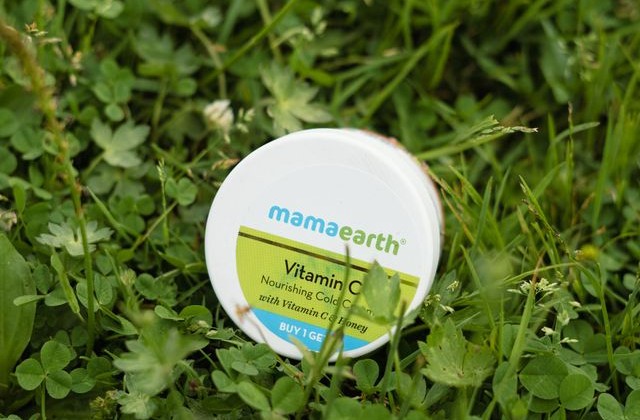
Honasa Consumer Limited is India’s largest digital-first house of brands in the Beauty and Personal Care (BPC) industry. Founded in 2016 with the launch of Mamaearth, the company has transformed from a single direct-to-consumer skincare brand into a diversified portfolio of beauty and personal care brands serving millions of consumers across India. Today, Honasa owns several well-known brands, including Mamaearth, The Derma Co., Aqualogica, Dr. Sheth’s, BBlunt, and Staze, each catering to distinct consumer segments and product categories.

The company operates on a House of Brands business model, where each brand has a unique positioning, target audience, and product proposition. Rather than relying on a single flagship brand, Honasa builds multiple category leaders across skincare, haircare, baby care, colour cosmetics, and personal care. This strategy enables the company to address diverse consumer needs while maximizing its presence across high-growth beauty categories.
Honasa combines consumer insights, scientific research, digital technology, and rapid product innovation to develop products specifically designed for Indian skin, hair, climate, and consumer preferences. The company follows an omnichannel distribution strategy, selling products through its own websites, e-commerce marketplaces, quick commerce platforms, modern retail stores, general trade outlets, and exclusive brand outlets. This diversified distribution network allows Honasa to reach consumers wherever they prefer to shop while maintaining a strong digital-first approach.

In FY2025, Honasa reported Revenue from Operations of Rs. 20,669 million, Underlying Volume Growth of 13.2%, and Profit After Tax of Rs. 727 million. The company reached over 236,000 FMCG retail outlets across India while servicing more than 18,500 pin codes, reflecting the rapid expansion of its omnichannel presence. During the year, Honasa also sharpened its focus on key beauty categories, strengthened its offline distribution model, enhanced its technology capabilities, and accelerated purpose-led innovation to support sustainable long-term growth.
This article explores the Honasa (Mamaearth) Business Model in detail, examining how the company creates value through its House of Brands strategy, solves evolving consumer needs, generates revenue across multiple sales channels, and continues to build one of India’s fastest-growing beauty and personal care businesses.
Honasa (Mamaearth) Business Strategy in 2026

Problem Honasa Solves
India’s Beauty and Personal Care (BPC) market has evolved rapidly over the past decade, driven by changing consumer preferences, rising disposable incomes, increasing digital adoption, and growing awareness of skincare and wellness. However, consumers continue to face several challenges, including the lack of products specifically designed for Indian skin and climate, difficulty identifying effective ingredients, limited product transparency, and fragmented shopping experiences. Honasa was founded to address these gaps by combining consumer insights, science-backed innovation, and digital-first distribution to create brands that meet the evolving needs of modern Indian consumers.
1. Lack of Products Designed for Indian Consumers
Many global beauty products are developed for international markets and may not address the unique needs of Indian skin tones, hair types, weather conditions, and lifestyles. Indian consumers increasingly seek products formulated specifically for local climatic conditions and skin concerns. Honasa addresses this challenge by developing products across its brands that are designed for Indian consumers, combining natural ingredients, dermatological science, and locally relevant formulations.
2. Difficulty Choosing Safe and Effective Beauty Products
Consumers often struggle to identify beauty and skincare products that are both safe and effective. Limited ingredient transparency and overwhelming product choices make purchasing decisions difficult. Honasa’s brands focus on clearly communicating product benefits, active ingredients, scientific formulations, and quality standards, helping consumers make informed purchasing decisions with greater confidence.
3. Fragmented Beauty & Personal Care Market
The beauty industry serves diverse consumer needs across skincare, haircare, baby care, cosmetics, and personal care. A single brand cannot effectively meet every requirement or consumer segment. Honasa solves this challenge through its House of Brands strategy, where each brand focuses on a specific consumer need, product category, or positioning. This allows the company to serve a wider customer base while maintaining clear brand identities and specialized product offerings.
4. Slow Innovation by Traditional FMCG Companies
Consumer preferences in beauty and personal care change rapidly, driven by social media, content creators, and global trends. Traditional FMCG product development cycles often struggle to keep pace with these changes. Honasa leverages real-time consumer insights, digital feedback loops, in-house R&D, and agile innovation processes to rapidly develop and launch new products, enabling it to respond quickly to emerging trends and evolving customer expectations.
5. Growing Demand for Digital-First Beauty Shopping
Consumers increasingly prefer researching, comparing, and purchasing beauty products through digital channels such as brand websites, e-commerce platforms, and quick commerce apps. They also expect seamless omnichannel experiences that integrate online discovery with offline availability. Honasa addresses this shift by operating a digital-first business model supported by an omnichannel distribution network that spans D2C platforms, marketplaces, quick commerce, modern trade, and general trade retail outlets.
6. Need for Premium Yet Affordable Beauty Solutions
As Indian consumers become more quality-conscious, demand has increased for premium skincare and beauty products that remain affordable. Honasa addresses this opportunity by offering science-led, ingredient-focused, and premium-quality products across multiple price points. Through brands such as The Derma Co., Dr. Sheth’s, Aqualogica, BBlunt, and Mamaearth, the company enables consumers to access innovative beauty solutions without the premium pricing typically associated with international brands.
Honasa (Mamaearth) SWOT Analysis in 2026
How Honasa Solves These Problems
Honasa has built a differentiated business model by combining consumer insights, science-backed innovation, digital technology, and a diversified House of Brands strategy. Instead of relying on a single brand or traditional FMCG practices, the company develops specialized brands that address specific consumer needs across the beauty and personal care market. Its digital-first approach, rapid innovation capabilities, and omnichannel distribution network enable it to respond quickly to changing consumer preferences while building long-term brand loyalty.
1. House of Brands Strategy
Rather than positioning one brand to serve every consumer segment, Honasa operates a House of Brands model where each brand has a distinct identity, target audience, and product proposition. Mamaearth focuses on natural personal care, The Derma Co. offers dermatologist-backed skincare, Dr. Sheth’s combines botanicals with active ingredients, Aqualogica specializes in hydration-based skincare, BBlunt serves the haircare segment, and Staze targets Gen Z consumers in colour cosmetics. This approach enables the company to capture multiple consumer segments while avoiding overlap between brands and strengthening its presence across high-growth beauty categories.
2. Science and Nature-Based Product Development
Honasa combines scientific research with natural ingredients to develop products tailored to Indian consumers. The company has strengthened its in-house research and development capabilities through investments, acquisitions, and scientific partnerships to improve product performance and innovation. By focusing on product superiority, ingredient transparency, and continuous formulation improvements, Honasa aims to deliver effective beauty and personal care products that build consumer trust and long-term brand loyalty.
3. Products Designed for Indian Skin and Climate
One of Honasa’s core differentiators is its focus on developing products specifically for Indian skin types, hair textures, weather conditions, and consumer preferences. Each brand addresses different beauty concerns using formulations suited to local climatic conditions rather than adopting a one-size-fits-all global approach. This localized product strategy enables the company to offer more relevant and effective solutions for Indian consumers while differentiating itself from many international competitors.
4. Consumer-Led Innovation
Honasa continuously monitors consumer behaviour, emerging beauty trends, social media conversations, and digital feedback to guide product development. The company follows a rapid innovation model that enables it to launch new products, enter adjacent categories, strengthen existing product lines, and respond quickly to changing market trends. Its innovation strategy focuses not only on introducing new products but also on improving existing formulations and building long-term category leadership across its focus segments.
5. Omnichannel Distribution
Honasa reaches consumers through a comprehensive omnichannel network that includes its own direct-to-consumer websites, e-commerce marketplaces, quick commerce platforms, modern retail chains, general trade outlets, and exclusive brand stores. The company uses online channels to launch innovations and gather real-time consumer feedback, while offline channels help scale mature products and improve nationwide accessibility. This integrated distribution strategy allows consumers to purchase products through their preferred shopping channels while expanding the company’s market reach.
6. Technology and Consumer Insights
Technology plays a central role in Honasa’s business model. The company leverages consumer data, advanced analytics, digital marketing, and technology-enabled sales infrastructure to understand purchasing behaviour, optimize marketing campaigns, improve inventory management, and strengthen distribution efficiency. By combining real-time consumer insights with digital capabilities, Honasa is able to make faster business decisions, improve customer engagement, and continuously refine its products and go-to-market strategies.
Honasa Business Model Canvas
The Business Model Canvas provides a structured view of how Honasa Consumer Limited creates, delivers, and captures value. The company follows a digital-first House of Brands model, leveraging consumer insights, rapid innovation, omnichannel distribution, and technology to build multiple beauty and personal care brands. Rather than depending on a single flagship product, Honasa operates a diversified portfolio that serves different customer segments across skincare, haircare, baby care, and cosmetics, enabling sustainable growth and category leadership.
| Business Model Canvas | Details |
|---|---|
| Customer Segments | Individual consumers across skincare, haircare, baby care, colour cosmetics, and personal care categories; millennials, Gen Z, families, premium beauty consumers, online shoppers, and offline retail customers. |
| Value Proposition | Science-backed beauty products designed for Indian skin and climate, innovative formulations, ingredient transparency, natural and dermatological solutions, premium quality at accessible prices, and a diversified portfolio of trusted brands. |
| Channels | Direct-to-consumer (D2C) websites, mobile applications, e-commerce marketplaces, quick commerce platforms, modern trade, general trade retail stores, exclusive brand outlets, salons, and distributors. |
| Customer Relationships | Digital engagement, personalized marketing, influencer-led awareness, social media communities, customer reviews, loyalty through product quality, omnichannel customer support, and continuous consumer feedback. |
| Revenue Streams | Sales of beauty and personal care products across multiple brands, online sales, offline retail sales, premium product offerings, new product launches, and category expansion. |
| Key Resources | Brand portfolio, intellectual property, research and development capabilities, consumer data, technology platform, digital marketing expertise, manufacturing partners, distribution network, and human capital. |
| Key Activities | Product innovation, research and development, brand building, digital marketing, consumer research, omnichannel distribution, supply chain management, technology development, and category expansion. |
| Key Partners | Contract manufacturers, ingredient suppliers, packaging partners, logistics providers, e-commerce platforms, quick commerce companies, distributors, retailers, salons, technology providers, and digital marketing partners. |
| Cost Structure | Product manufacturing, research and development, marketing and advertising, employee costs, technology infrastructure, logistics and distribution, warehousing, packaging, and administrative expenses. |
Honasa’s business model combines brand creation, consumer-centric innovation, and an omnichannel go-to-market strategy to build long-term customer relationships while scaling multiple brands simultaneously. Its asset-light manufacturing approach, technology-driven decision-making, and diversified distribution network allow the company to efficiently expand across high-growth beauty and personal care categories while continuously adapting to evolving consumer preferences.
Honasa (Mamaearth) PESTEL Analysis in 2026
How Honasa Makes Money
Honasa generates revenue primarily through the sale of beauty and personal care products across its portfolio of brands. Unlike traditional FMCG companies that depend on a single flagship brand, Honasa follows a House of Brands strategy, allowing it to generate revenue from multiple product categories, customer segments, and sales channels. The company’s omnichannel distribution model, rapid product innovation, and premiumization strategy enable it to diversify revenue while strengthening its position in India’s fast-growing Beauty and Personal Care (BPC) market.
1. Sale of Beauty and Personal Care Products
The largest source of Honasa’s revenue comes from the sale of beauty and personal care products across skincare, haircare, baby care, colour cosmetics, and personal care categories. Its portfolio includes products such as face cleansers, shampoos, moisturizers, sunscreens, serums, baby care products, lipsticks, hair styling products, and cosmetics. By continuously expanding its product range and strengthening its core categories, the company increases both customer acquisition and repeat purchases. In FY2025, Honasa reported Revenue from Operations of Rs. 20,669 million, reflecting continued growth in its product business.
2. Revenue from Multiple Brands
Rather than relying solely on Mamaearth, Honasa earns revenue through multiple brands that target different consumer needs and price segments. Mamaearth focuses on natural personal care, The Derma Co. offers science-led skincare, Dr. Sheth’s combines botanicals with active ingredients, Aqualogica specializes in hydration-based skincare, BBlunt serves the haircare market, and Staze targets Gen Z consumers with colour cosmetics. This diversified brand portfolio reduces dependence on any single brand while enabling the company to capture a larger share of the beauty and personal care market.
3. Online Sales
Digital commerce remains a major contributor to Honasa’s revenue. The company sells products through its own direct-to-consumer (D2C) websites, mobile applications, leading e-commerce marketplaces, and rapidly growing quick commerce platforms. Online channels also serve as testing grounds for new product launches and innovations, allowing Honasa to gather real-time consumer feedback and rapidly scale successful products. The company’s digital-first origins continue to provide a competitive advantage in online customer acquisition and engagement.
4. Offline Sales
In addition to digital channels, Honasa generates significant revenue through its expanding offline distribution network. Its products are available across general trade outlets, modern retail chains, exclusive brand outlets, and salons, enabling wider market penetration beyond online consumers. During FY2025, the company strengthened its offline distribution model by transitioning to a direct-distribution approach, expanding its retail presence to over 236,000 FMCG retail outlets while servicing more than 18,500 pin codes across India. This omnichannel strategy enables Honasa to capture demand across both urban and emerging markets.
5. Premiumization Strategy
Honasa continues to increase revenue by encouraging consumers to upgrade to higher-value products featuring advanced formulations, premium ingredients, and specialized skincare solutions. Brands such as The Derma Co. and Dr. Sheth’s focus on dermatologist-developed products and active ingredients, while innovations across the portfolio enable the company to serve consumers seeking premium beauty solutions. Premiumization supports higher average selling prices, improves profitability, and strengthens brand positioning in fast-growing beauty categories.
6. New Product Launches and Category Expansion
Innovation is a key driver of Honasa’s revenue growth. The company continuously launches new products, enters adjacent beauty categories, and expands its presence within high-growth segments such as face cleansers, sunscreens, moisturizers, serums, shampoos, baby care, and colour cosmetics. By identifying emerging consumer trends and leveraging its research and development capabilities, Honasa creates additional revenue opportunities while increasing customer lifetime value and expanding its share of wallet across multiple beauty occasions.
Future of Honasa Business Model
Honasa is entering its next phase of growth by evolving from a digital-first challenger brand into a diversified beauty and personal care company with multiple category-leading brands. The company’s strategy focuses on strengthening its House of Brands, expanding omnichannel distribution, investing in research and development, accelerating innovation, and leveraging technology to build long-term competitive advantages. As India’s beauty and personal care market continues to grow, Honasa aims to capture a larger share of consumer spending through focused category leadership and premium product offerings.
1. Expansion of Focus Categories
Honasa has identified key beauty and personal care categories—including face cleansers, sunscreens, shampoos, moisturizers, face serums, baby care, and lipsticks—as its primary growth engines. Rather than expanding across numerous product categories simultaneously, the company intends to concentrate investments, innovation, and marketing resources on these high-potential segments. This focused approach is expected to strengthen market leadership while improving operational efficiency and brand positioning.
2. Strengthening the House of Brands
The company will continue expanding its House of Brands strategy by developing distinct brands for different consumer needs and price segments. Each brand will maintain a unique positioning while collectively increasing Honasa’s presence across the beauty and personal care market. This diversified portfolio approach enables the company to serve multiple customer segments, reduce dependence on any single brand, and maximize its share of consumer spending across categories.
3. Scaling Offline Distribution
While Honasa was built as a digital-first company, offline retail is expected to become an increasingly important growth driver. The company is strengthening its direct distribution model, expanding retail coverage, improving distributor productivity, and increasing its presence across premium beauty stores, general trade outlets, and modern retail chains. This expanded offline network will complement its strong digital presence and improve accessibility for consumers across India.
4. Growth in Quick Commerce
Quick commerce has emerged as one of the fastest-growing retail channels in India, particularly for beauty and personal care products. Honasa plans to strengthen its presence across quick commerce platforms by improving product availability, enhancing digital visibility, and optimizing its omnichannel strategy. As consumer preference for faster deliveries continues to increase, quick commerce is expected to become an important contributor to future revenue growth.
5. AI, Data Analytics, and Consumer Insights
Technology will continue to be a key enabler of Honasa’s business model. The company intends to further leverage artificial intelligence, advanced analytics, consumer listening tools, and digital marketing capabilities to better understand customer behaviour, personalize marketing campaigns, improve demand forecasting, and accelerate product innovation. Data-driven decision-making will remain central to strengthening customer relationships and improving business performance.
6. Product Innovation and R&D
Honasa is making significant investments in research and development to improve product quality and create long-term competitive differentiation. The company aims to develop superior formulations, strengthen scientific capabilities, and continuously enhance products based on consumer feedback and evolving beauty trends. By combining innovation with science-backed product development, Honasa seeks to build stronger brand loyalty and maintain leadership across its focus categories.
7. Premiumization Strategy
As Indian consumers increasingly seek higher-quality beauty and skincare products, Honasa plans to continue expanding its premium product portfolio. Through brands such as The Derma Co., Dr. Sheth’s, Aqualogica, and BBlunt, the company aims to address growing demand for advanced skincare solutions, specialized ingredients, and premium beauty experiences. Premiumization is expected to improve average selling prices, enhance profitability, and strengthen the company’s long-term market positioning.
8. Building India’s Largest Digital-First Beauty Company
Honasa’s long-term vision is to become one of India’s leading beauty and personal care companies by combining digital capabilities, consumer-centric innovation, omnichannel distribution, and a strong portfolio of differentiated brands. With continued investments in technology, brand building, research and development, and market expansion, the company aims to strengthen its leadership in India’s rapidly growing beauty ecosystem while delivering sustainable long-term growth.
Source: Mamaearth annual report 2024-25