
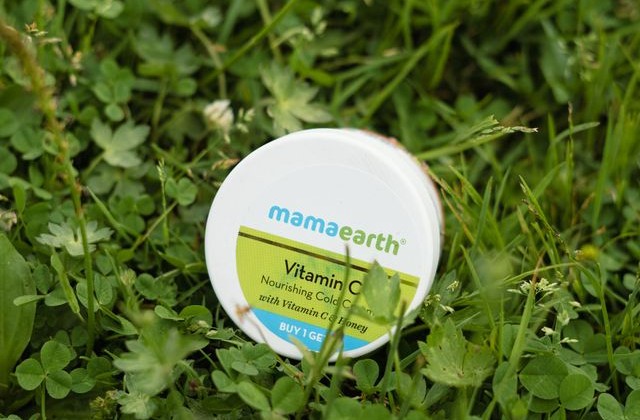
Honasa Consumer Limited has emerged as one of India’s fastest-growing Beauty and Personal Care (BPC) companies by combining digital-first execution, consumer-centric innovation, and a diversified House of Brands strategy. Founded in 2016 with the launch of Mamaearth, the company has evolved from a direct-to-consumer startup into India’s largest digital-first House of Brands, with a portfolio that includes Mamaearth, The Derma Co., Aqualogica, Dr. Sheth’s, BBlunt, and Staze. Each brand serves a distinct consumer segment while collectively strengthening Honasa’s presence across high-growth beauty categories.
FY2025 marked a defining year for Honasa, which the company described as a phase of “Reflection to Reinvention.” Instead of pursuing growth through rapid expansion alone, Honasa reassessed its business model, refined its priorities, and introduced strategic initiatives focused on long-term sustainable growth. These included sharpening its focus on selected beauty categories, restructuring its offline distribution network, enhancing research and development capabilities, strengthening technology infrastructure, and redesigning its marketing playbook to better align with changing consumer behaviour.
Honasa’s business strategy is built around understanding evolving Indian consumers and responding quickly to changing market trends. The company combines real-time consumer insights, scientific product development, digital marketing, omnichannel distribution, and rapid innovation to create products specifically designed for Indian skin, hair, climate, and lifestyle preferences. Rather than competing solely on price, Honasa aims to differentiate itself through product quality, brand positioning, consumer trust, and technology-enabled execution.
The company also recognizes that the beauty industry is evolving rapidly due to increasing digital adoption, social media influence, quick commerce, premiumization, and changing consumer expectations. To capitalize on these trends, Honasa has adopted a long-term strategy centered on building category leadership, strengthening its House of Brands, investing in product superiority, expanding omnichannel reach, and leveraging data-driven decision-making to improve customer engagement and operational efficiency.
This article analyzes the Honasa (Mamaearth) Business Strategy based on the FY2025 Annual Report. It explores the strategic initiatives driving the company’s competitive advantage, examines its key growth priorities, highlights the challenges it faces, and discusses how Honasa plans to strengthen its position as one of India’s leading beauty and personal care companies.
Mamaearth Business Model in 2026: How the House of Brands Makes Money
Honasa Business Strategy
Honasa’s business strategy is centered on building category-leading beauty and personal care brands by combining consumer insights, scientific innovation, digital capabilities, and omnichannel execution. Rather than competing with traditional FMCG companies through mass-market products alone, Honasa focuses on creating specialized brands that address specific consumer needs while leveraging technology to rapidly identify trends and launch relevant products. During FY2025, the company refined its strategy by prioritizing focus categories, strengthening offline distribution, investing in research and development, enhancing its marketing playbook, and reinforcing its House of Brands approach to drive sustainable long-term growth.
1. House of Brands Strategy
Unlike companies that rely on a single flagship brand, Honasa operates a House of Brands model in which each brand has a distinct positioning, target audience, and product proposition. Mamaearth focuses on natural personal care, The Derma Co. offers science-led skincare, Dr. Sheth’s combines botanicals with active ingredients, Aqualogica specializes in hydration-based skincare, BBlunt addresses premium haircare, and Staze targets Gen Z consumers through colour cosmetics. This strategy enables Honasa to serve multiple customer segments, minimize brand overlap, and capture a larger share of India’s growing beauty market.
2. Focus Category Strategy
During FY2025, Honasa shifted from pursuing broad trend-based innovation to concentrating resources on a select group of high-growth categories. The company identified face cleansers, sunscreens, shampoos, moisturizers, face serums, baby care, and lipsticks as its focus categories and aligned product development, marketing, and investments around them. Within each category, individual brands are assigned specific consumer propositions and market segments, enabling Honasa to build category leadership while maximizing portfolio synergies.
3. Omnichannel Distribution Strategy
Honasa follows an omnichannel strategy that integrates digital and physical retail to meet consumers wherever they prefer to shop. Online channels—including direct-to-consumer websites, e-commerce marketplaces, and quick commerce platforms—serve as launchpads for innovation and early consumer adoption. Offline channels, including general trade, modern trade, exclusive brand outlets, and salons, help scale mature products and expand nationwide reach. During FY2025, the company strengthened this strategy by transitioning from a super-stockist-led model to a direct-distribution model to improve visibility, operational efficiency, and retail execution.
4. Consumer-Led Innovation Strategy
Honasa places consumer insights at the center of product development. The company continuously analyzes changing consumer behaviour, social media trends, digital engagement, and purchasing patterns to identify emerging opportunities. Its innovation engine focuses on developing products that strengthen existing categories, enter adjacent segments, improve premium offerings, and continuously enhance product formulations based on customer feedback. This agile innovation process enables Honasa to respond quickly to changing market dynamics while maintaining relevance with modern consumers.
5. Product Superiority and R&D Strategy
Honasa believes that long-term competitive advantage depends on superior product performance rather than marketing alone. Accordingly, the company has strengthened its research and development capabilities through investments in scientific talent, strategic partnerships, and the acquisition of Cosmogenesis. Its strategy emphasizes continuous formulation improvements, rigorous product testing, and developing products specifically suited for Indian skin and climatic conditions. By making product superiority a core strategic priority, Honasa aims to build stronger customer trust and sustainable brand loyalty.
6. Technology and Data-Driven Strategy
Technology underpins Honasa’s decision-making across marketing, product development, and supply chain operations. The company leverages consumer analytics, digital listening tools, data science, and advanced sales technologies to understand customer preferences, optimize marketing campaigns, improve inventory management, and strengthen distribution efficiency. Investments in Distributor Management Systems (DMS), Sales Force Automation (SFA), and consumer analytics enable Honasa to improve operational visibility while making faster and more informed business decisions.
7. Marketing and Content Strategy
Recognizing the changing media landscape, Honasa has redesigned its marketing strategy to improve effectiveness across digital and offline channels. The company emphasizes data-driven media planning, precision marketing, platform-specific content creation, vernacular storytelling, and authentic influencer partnerships. By tailoring messaging to different audience segments and leveraging digital platforms more effectively, Honasa seeks to strengthen brand engagement, improve marketing return on investment, and enhance customer acquisition.
8. Premiumization Strategy
Honasa is increasingly focusing on premium beauty and personal care segments where consumers seek specialized ingredients, science-backed formulations, and superior product performance. Through brands such as The Derma Co., Dr. Sheth’s, Aqualogica, and BBlunt, the company is expanding its presence in premium skincare and haircare categories while introducing advanced formulations and innovative ingredients. This premiumization strategy helps improve average selling prices, strengthen profitability, and position Honasa as a leader in India’s evolving beauty and personal care industry.
Honasa (Mamaearth) SWOT Analysis in 2026
Competitive Advantages
Honasa has built a differentiated competitive position by combining a diversified brand portfolio, digital-first capabilities, rapid innovation, and deep consumer understanding. Unlike traditional FMCG companies that often rely on legacy brands and slower product cycles, Honasa leverages technology, consumer insights, and agile execution to quickly identify market opportunities and launch products tailored to evolving customer preferences. Its strategy of integrating online and offline channels further strengthens its ability to scale efficiently while building long-term customer relationships.
1. Strong House of Brands Portfolio
One of Honasa’s biggest competitive strengths is its House of Brands strategy. Instead of depending on a single brand, the company has built a portfolio comprising Mamaearth, The Derma Co., Aqualogica, Dr. Sheth’s, BBlunt, and Staze, each serving distinct consumer needs and price segments. This diversified portfolio reduces dependence on any single brand, enables cross-category growth, and allows Honasa to capture a larger share of India’s expanding beauty and personal care market.
2. Digital-First DNA
Honasa was built as a digital-first company, giving it advantages that many traditional FMCG players have had to develop later. Its expertise in direct-to-consumer commerce, digital marketing, e-commerce, social media engagement, and quick commerce enables the company to acquire customers efficiently, test new products rapidly, and gather real-time consumer feedback. This digital foundation supports faster decision-making and improves the speed of innovation.
3. Deep Consumer Insights and Data Capabilities
Consumer understanding is at the core of Honasa’s competitive advantage. The company continuously analyzes customer behaviour, purchasing patterns, online reviews, social media conversations, and market trends to identify unmet needs and emerging opportunities. These insights guide product development, marketing campaigns, and category expansion, allowing Honasa to remain closely aligned with changing consumer preferences and respond faster than many competitors.
4. Fast Innovation Engine
Honasa has developed an agile innovation model that enables it to identify trends, develop formulations, and launch products more quickly than traditional beauty companies. By combining consumer research with scientific expertise and continuous product improvement, the company regularly introduces new products while refining existing formulations. This ability to innovate rapidly helps Honasa stay relevant in a highly dynamic beauty and personal care industry.
5. Omnichannel Distribution Network
The company has successfully expanded from its digital origins into a strong omnichannel business. Honasa reaches consumers through direct-to-consumer platforms, e-commerce marketplaces, quick commerce, modern trade, general trade, exclusive brand outlets, and salons. Its strengthened direct-distribution model, extensive retail presence, and nationwide reach enable the company to serve consumers across both urban and emerging markets while reducing dependence on any single sales channel.
6. Product Development for Indian Consumers
Unlike many global beauty companies that adapt international products for India, Honasa develops products specifically for Indian skin, hair, climate, and lifestyle needs. Its focus on science-backed formulations, active ingredients, dermatological expertise, and localized product development enables the company to deliver solutions that resonate with Indian consumers and build long-term brand trust.
7. Purpose-Led Brand Building
Honasa differentiates itself through purpose-driven branding that emphasizes transparency, ingredient awareness, education, and consumer trust. The company builds communities around its brands by combining authentic storytelling, digital engagement, influencer partnerships, and consumer education rather than relying solely on conventional advertising. This approach strengthens customer loyalty and enhances brand credibility in an increasingly competitive beauty market.
8. Asset-Light Business Model
Honasa follows an asset-light operating model by partnering with third-party manufacturers while focusing its own resources on brand building, innovation, research and development, technology, and consumer engagement. This strategy reduces capital requirements, provides greater operational flexibility, enables faster product launches, and allows the company to scale efficiently without making significant investments in manufacturing infrastructure.
Honasa (Mamaearth) PESTEL Analysis in 2026
Strategic Investments and Expansion
Honasa’s long-term growth strategy is supported by targeted investments in distribution, technology, research and development, and brand building. During FY2025, the company focused on strengthening its operational capabilities rather than pursuing aggressive expansion alone. By investing in offline distribution, scientific innovation, digital technologies, and high-growth brands, Honasa aims to create a scalable business model capable of delivering sustainable growth while adapting to changing consumer preferences.
1. Strengthening Offline Distribution (Project Neev)
One of Honasa’s most significant strategic initiatives during FY2025 was the transformation of its offline distribution network through Project Neev. The company shifted from a super-stockist-led model to a direct-distribution approach to improve market visibility, inventory management, retailer engagement, and execution quality. This investment has strengthened the company’s ability to expand retail coverage, improve product availability, and build deeper relationships with distributors and retailers across India.
2. Expansion of Quick Commerce
Honasa continues to invest in quick commerce as consumer demand for faster product delivery increases. The company is strengthening partnerships with leading quick commerce platforms, improving inventory planning, and expanding product availability across high-demand categories. Quick commerce also provides valuable consumer insights, enabling Honasa to identify emerging trends and rapidly introduce new products to the market.
3. Investments in R&D and Cosmogenesis Acquisition
Product innovation remains a strategic priority for Honasa. During FY2025, the company strengthened its scientific capabilities through investments in research and development and the acquisition of Cosmogenesis, enhancing its ability to develop advanced formulations and improve product performance. These investments support Honasa’s objective of creating science-backed beauty solutions tailored to Indian consumers while strengthening long-term competitive differentiation.
4. AI, Technology and Consumer Analytics
Honasa is investing in technology to improve decision-making across marketing, product development, supply chain management, and sales operations. The company leverages artificial intelligence, advanced analytics, digital consumer listening tools, Distributor Management Systems (DMS), and Sales Force Automation (SFA) platforms to better understand customer behaviour, optimize operations, and improve execution efficiency. These technology investments enable faster and more data-driven business decisions.
5. Scaling Younger Brands
Beyond Mamaearth, Honasa is investing heavily in scaling its emerging brands, including The Derma Co., Aqualogica, Dr. Sheth’s, BBlunt, and Staze. Each brand targets a specific consumer segment and category, allowing the company to diversify its revenue base while expanding its presence across the beauty and personal care market. Continued investments in brand building, product innovation, and marketing are expected to strengthen these brands and accelerate portfolio growth.
6. Expansion Across Focus Categories
Honasa is allocating resources toward strengthening its leadership in high-growth beauty categories such as face cleansers, sunscreens, shampoos, moisturizers, face serums, baby care, and lipsticks. Investments in category-specific innovation, product development, marketing, and distribution are designed to deepen market penetration and establish category leadership. This focused investment strategy allows the company to optimize resources while building stronger competitive positions in priority segments.
7. Strengthening Supply Chain and Distribution Technology
To support long-term growth, Honasa is enhancing its supply chain and distribution infrastructure through investments in digital systems, inventory management, demand forecasting, and retail execution tools. These initiatives improve operational efficiency, reduce stock-outs, optimize working capital, and enhance product availability across online and offline channels. A more technology-enabled supply chain also positions the company to scale efficiently as demand continues to grow.
Challenges & Risks
Despite building one of India’s fastest-growing beauty and personal care companies, Honasa operates in a highly competitive and rapidly evolving industry. The company’s long-term success depends on its ability to sustain innovation, strengthen brand loyalty, execute its omnichannel strategy, and adapt to changing consumer preferences. As Honasa scales its House of Brands, it also faces operational, competitive, and regulatory challenges that could influence future growth and profitability.
1. Intense Competition in Beauty & Personal Care
India’s beauty and personal care industry is highly competitive, with established FMCG companies, global beauty brands, digital-first startups, and direct-to-consumer players competing across similar product categories. Competitors continuously invest in product innovation, marketing, pricing strategies, and distribution expansion, making it increasingly difficult to maintain market share and customer loyalty. Sustained differentiation through superior products and strong branding remains critical for Honasa.
2. Dependence on Changing Consumer Preferences
Consumer preferences in the beauty industry evolve rapidly, influenced by social media trends, new ingredients, wellness movements, and changing purchasing behaviour. Products that are popular today may quickly lose relevance as consumer expectations shift. Honasa must continuously monitor market trends, innovate rapidly, and adapt its product portfolio to remain aligned with evolving consumer demands.
3. Execution Risk in Offline Expansion
While offline retail represents a significant growth opportunity, expanding and managing a nationwide distribution network introduces execution challenges. The success of initiatives such as Project Neev depends on efficient distributor management, inventory planning, retailer engagement, and consistent execution across thousands of retail outlets. Any delays or inefficiencies could impact product availability, customer experience, and sales growth.
4. Rising Marketing and Customer Acquisition Costs
Building and maintaining consumer brands requires continuous investment in advertising, influencer partnerships, digital campaigns, and promotional activities. As competition for consumer attention intensifies across digital and offline channels, customer acquisition costs may continue to rise. Honasa must balance marketing investments with profitability while ensuring that marketing campaigns continue to generate strong returns on investment.
5. Supply Chain and Distribution Challenges
Honasa relies on an extensive network of third-party manufacturers, suppliers, logistics providers, and distributors to deliver products across India. Disruptions in raw material availability, transportation, manufacturing capacity, or inventory management could affect product availability, increase costs, and impact customer satisfaction. Maintaining an efficient and resilient supply chain remains essential as the company continues to expand.
6. Innovation and Product Development Risks
Continuous innovation is central to Honasa’s competitive strategy, but investments in research and development do not always guarantee commercial success. New product launches may fail to meet consumer expectations, while competitors may introduce similar products more quickly or at lower prices. The company must maintain a disciplined innovation process that balances speed, product quality, and consumer relevance.
7. Regulatory and Compliance Risks
The beauty and personal care industry is subject to evolving regulations relating to product safety, ingredient standards, labelling, advertising claims, environmental compliance, and consumer protection. Any changes in regulatory requirements or failure to comply with applicable standards could increase compliance costs, delay product launches, or affect brand reputation. Honasa must continuously strengthen its governance and quality assurance processes to mitigate these risks.
8. Macroeconomic and Consumer Spending Risks
Demand for beauty and personal care products is influenced by broader economic conditions, including inflation, disposable income, consumer confidence, and overall spending patterns. Economic slowdowns or prolonged inflationary pressures may reduce discretionary spending, particularly in premium product categories. Honasa’s ability to offer value-driven innovation while maintaining profitability will be important in navigating changing macroeconomic conditions.
Future Outlook
Honasa’s future strategy is centered on building a resilient, innovation-led beauty and personal care business that combines strong brands, scientific product development, digital capabilities, and omnichannel distribution. After using FY2025 to strengthen its operational foundation and refine its strategic priorities, the company is now focused on accelerating profitable growth through category leadership, premiumization, and deeper consumer engagement. By leveraging technology, expanding its offline footprint, and continuously innovating across its brand portfolio, Honasa aims to strengthen its position as one of India’s leading beauty and personal care companies.
1. Winning Focus Categories
Honasa plans to concentrate its investments on high-growth categories, including face cleansers, sunscreens, shampoos, moisturizers, face serums, baby care, and lipsticks. By focusing product innovation, marketing, and distribution on these priority segments, the company aims to build category leadership rather than spreading resources across a large number of product lines. This focused strategy is expected to strengthen brand equity and improve long-term profitability.
2. Scaling the House of Brands
The company will continue strengthening its House of Brands strategy by expanding existing brands and nurturing emerging ones. Each brand will maintain a distinct positioning while addressing different consumer needs, price points, and beauty categories. As brands such as The Derma Co., Aqualogica, Dr. Sheth’s, BBlunt, and Staze continue to grow alongside Mamaearth, Honasa expects to diversify its revenue streams and increase its share of India’s beauty and personal care market.
3. Offline Growth Acceleration
While digital commerce remains an important growth driver, Honasa sees significant long-term opportunities in offline retail. Following the implementation of Project Neev, the company plans to deepen retail penetration, strengthen direct distribution, improve execution quality, and expand product availability across general trade, modern trade, exclusive brand outlets, and other retail channels. A stronger offline presence will complement its digital ecosystem and improve accessibility for consumers across urban and emerging markets.
4. Quick Commerce Expansion
Quick commerce is expected to play an increasingly important role in Honasa’s growth strategy. As consumers increasingly prefer faster delivery for beauty and personal care products, the company intends to strengthen partnerships with quick commerce platforms, optimize inventory availability, and launch products tailored to this rapidly growing channel. This strategy is expected to improve customer convenience while creating new revenue opportunities.
5. AI and Data-Driven Decision Making
Technology will remain a key pillar of Honasa’s competitive strategy. The company plans to further leverage artificial intelligence, advanced analytics, digital consumer listening tools, and sales technologies to improve consumer understanding, personalize marketing, optimize inventory management, and enhance operational efficiency. These capabilities will enable faster decision-making and help the company respond more effectively to changing market trends.
6. Product Superiority Through R&D
Honasa will continue investing in research and development to strengthen product quality and scientific innovation. By enhancing formulation capabilities, leveraging its acquisition of Cosmogenesis, and developing products specifically designed for Indian consumers, the company aims to differentiate itself through superior performance rather than relying solely on marketing. Continuous product improvement is expected to strengthen customer trust and support long-term brand loyalty.
7. Premiumization and Category Leadership
As demand for premium beauty and skincare products continues to increase, Honasa intends to expand its portfolio of science-backed and high-performance products. Brands such as The Derma Co., Dr. Sheth’s, Aqualogica, and BBlunt will play a central role in addressing evolving consumer preferences for specialized skincare, haircare, and beauty solutions. This premiumization strategy is expected to improve average selling prices, strengthen profitability, and reinforce Honasa’s leadership across key beauty categories.
8. Vision to Build India’s Leading Beauty & Personal Care Company
Honasa’s long-term vision is to become one of India’s most trusted and innovative beauty and personal care companies by combining strong brands, consumer-centric innovation, technology-driven execution, and omnichannel reach. With continued investments in brand building, research and development, digital capabilities, and distribution infrastructure, the company is well positioned to capitalize on the long-term growth of India’s beauty market while creating sustainable value for consumers, partners, and shareholders.
Source: Mamaearth annual report 2024-25