
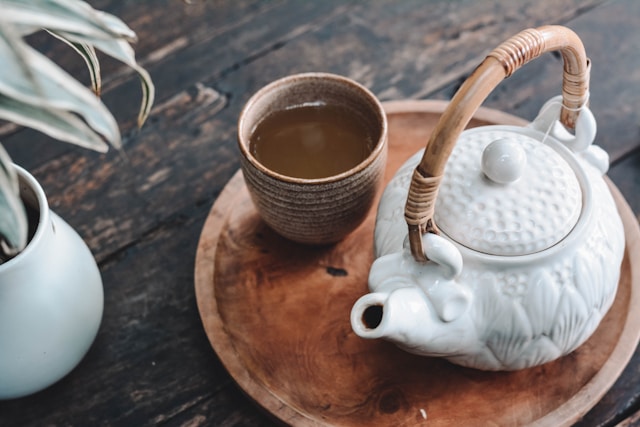
There’s a ritual that unfolds in kitchens across the world every morning: water comes to a boil, fragrant leaves are measured out, and a few quiet minutes later a steaming cup of comfort is born. Tea may be as old as civilization itself, but a new appreciation for its nuances is bubbling up – and it’s transforming how we think about wellness and entrepreneurship.
A Global Beverage with Local Roots
Tea’s journey spans continents and centuries. From the rolling hills of Assam and the misty mountains of Fujian to small plots in Kenya and upstart growers in Europe, leaves are harvested, dried, and crafted into hundreds of distinctive profiles. For a long time, most people knew tea in only two forms: black leaves in a paper bag or perhaps a splash of herbal infusion before bed.
What’s different now? Consumers have begun to seek out teas with a sense of place. Much like fine wine or craft coffee, loose‑leaf tea connects drinkers to the terroir and traditions of its origin. That connection has spurred a surge in specialty tea shops – from cosy brick‑and‑mortar stores to thoughtfully curated online boutiques – that celebrate the leaf’s diversity.

Why People Are Turning to Loose‑Leaf Tea
Pre‑filled teabags are convenient, but they often hide broken fragments and dust that can dull flavor. When you place whole leaves into a teapot and pour over the right temperature water, you can watch them unfurl and release their full character. The colors range from pale jade to deep amber, and the aromas hint at flowers, toasted nuts, stone fruit, or fresh hay.
Part of the appeal of loose‑leaf tea lies in the ritual. Choosing a vessel, measuring the leaves, and waiting for the infusion forces you to slow down – an antidote to the always‑on pace of modern life. It’s more than a drink; it’s a pause button. Many people describe this practice as a form of moving meditation, and they find it helps them transition between tasks or decompress after a long day.
Health Benefits Beyond Hydration
Tea isn’t medicine, but science suggests that steeping leaves can do more than warm your hands. Various studies highlight that green and white teas contain catechins – plant compounds linked to supporting heart health – and that black tea’s theaflavins may have antioxidant properties. Herbal blends with chamomile or peppermint can settle a queasy stomach or prepare the mind for rest.
Equally important is what tea replaces. A mid‑morning cup of oolong might keep you from reaching for sugary soda; a smoky lapsang could accompany a dessert instead of a calorie‑laden liqueur. At its core, tea encourages mindful consumption, reminding us that small choices can add up.
Creating Community, One Cup at a Time
Beyond personal health, tea culture fosters connection. Visit a local tearoom on a chilly afternoon, and you’ll likely find strangers chatting over steaming pots, friends catching up over matcha lattés, or a quiet table where someone has retreated with a book. The ambience is different from a coffee shop’s buzz: there’s conversation, but also a hush that invites reflection.
These communal aspects extend online. Enthusiasts gather on forums and social media to swap brewing tips, recommend new harvests, or debate whether Yunnan black pairs better with dark chocolate or citrus cake. Virtual tasting sessions have become popular, allowing people from different cities – and even time zones – to drink the same tea together and share impressions in real time.
Navigating the Business of Tea
Behind this renaissance is a network of growers, importers, and entrepreneurs who value craftsmanship and sustainability. Many small tea companies partner directly with farms, paying fair prices and investing in community development. This approach not only ensures a fresher product but also supports rural economies around the world.
For business owners, a tea shop is more than a retail space. It’s a platform for storytelling, education, and hospitality. Successful shops host workshops on gong fu brewing, offer curated flights that compare teas from different regions, and stock teaware that doubles as art. The margins may be slimmer than in other sectors, but loyalty runs deep once customers discover a place that truly cares about what’s in their cup.
Finding Your Own Tea Shop
If you’re curious about stepping into this world, the best way to start is by exploring a tea shop that aligns with your values – one that sources responsibly and takes pride in teaching newcomers. Don’t be intimidated by unfamiliar names; most teas have stories that are easier to understand than you think. Ask questions, smell the leaves, and trust your palate. There’s no right or wrong way to enjoy tea, only the way that feels right to you.
Some shops will send sample packs so you can try a variety without committing to a large pouch. Others offer subscription services that deliver different teas each month, along with brewing guides and background information about the farmers. If you prefer in‑person experiences, visiting a tearoom can provide hands‑on guidance from knowledgeable staff.
There’s something quietly rebellious about taking time for a deliberate, unhurried drink in a world obsessed with speed. Whether you’re in it for the potential health perks, the cultural exploration, or simply the pleasure of a well‑made brew, tea invites you to pause and pay attention. And if along the way you discover a hidden gem of a tea shop, you might find yourself not only with a new beverage habit but also with a deeper appreciation for the people and places behind every leaf.