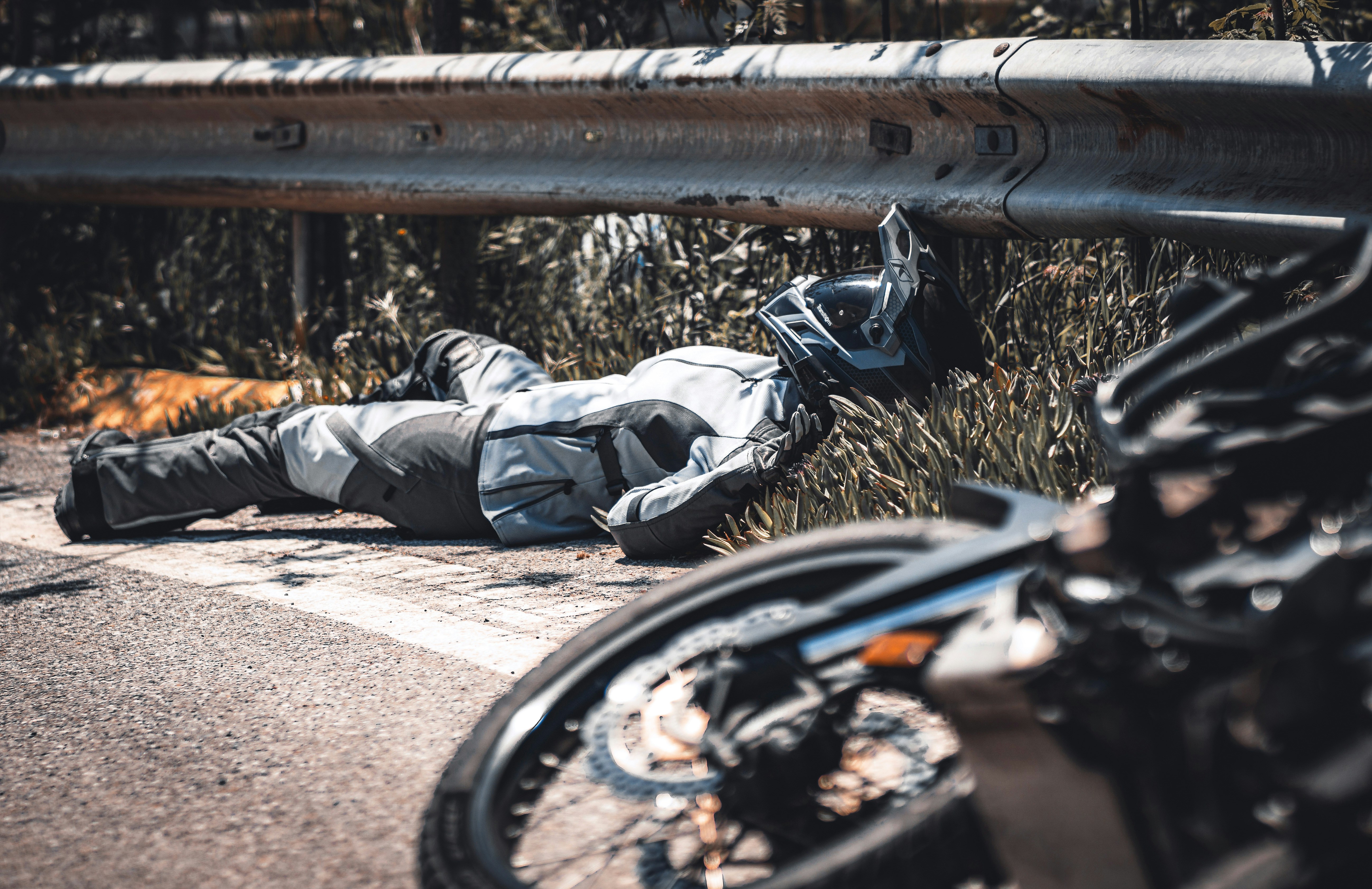
Being involved in a motorcycle accident can be overwhelming. These incidents often cause physical injuries and emotional distress, leaving individuals unsure about how to proceed.
To protect your rights after an accident, you must remain calm and take the right steps. In this article, we will explain how riders can protect their interests and well-being after a motorcycle accident.
Prioritize Safety
Safety should always be the top priority after a crash:
- Move out of traffic if possible to prevent further harm.
- Check yourself and others for injuries and call emergency services to ensure urgent medical needs are taken care of.
- Some injuries do not show symptoms immediately, so make sure you seek medical attention as soon as possible.
Joe Zaid motorcycle lawyer can help you secure compensation for your injuries.
Contact the Authorities
You need to notify local law enforcement if the injuries or property damage is serious. A police report serves as an official record of the incident and contains many significant details. Officers record facts and statements from witnesses. The report they file often plays a crucial role in future insurance and legal claims.
Collect Evidence at the Scene
Photos and notes serve as crucial evidence during negotiations with insurers and other parties. Take photos of vehicles, road conditions, and any visible injuries. Obtaining names and contact information from witnesses will allow you to ask for their statement later, which can reveal clearer details of what took place.
Seek Medical Attention
You should remember that even if the injury looks insignificant, you need to get it checked by a professional. Some symptoms can appear hours or days after the incident. Having medical documentation that ties the accident to any injuries will help you support a legal or insurance claim in the future. Maintaining a record of all hospital visits, prescribed medication, and treatments administered provides a clear timeline of the recovery process.
Notify Insurance Carriers
Insurers need to be notified as quickly as possible after the incident. Delays in reporting can weaken a claim. Share the details of the incident in a clear and concise manner. Do not speculate, as it can cause misinterpretations and disagreements in the future. Document all conversations with insurers in writing.
Avoid Admitting Fault
Emotions can run high after an accident, but you should refrain from making statements that could be interpreted as an admission of blame. Even casual remarks may be used by other parties to shift responsibility. Focus on the facts and allow the authorities to assign blame. This approach will help you protect your rights when a claim arises.
Document All Expenses
Medical care and repairs can be expensive. You should document every expense related to the accident and retain all receipts. This is critical for any insurance or legal claim for damages. Keep your receipts, invoices, and records of correspondence with insurers in an organized manner.
Protect Legal Rights Through Representation
Sometimes, you may need legal advice and support to protect your rights and interests. An attorney who is familiar with motorcycle accident cases can help you understand your rights and responsibilities. A lawyer can offer guidance and negotiate with insurance companies, secure settlements, and represent you in court if necessary. Their involvement often increases the likelihood of a favorable outcome.
Follow Up on Medical Care
Individuals involved in a motorcycle accident often require extensive medical care. Attending all follow-up appointments and following the doctor’s instructions demonstrates a commitment to recovery. It shows the long-term impact of the incident, which further supports claims for compensation. Riders must continue to track their progress during every stage of their recovery.
Conclusion
Protecting your rights after a motorcycle crash requires careful attention and timely action. Obtaining evidence, documenting expenses, and seeking professional advice strengthens a rider’s position. Staying organized, informed, and proactive will help riders protect their interests and support a smoother recovery process.