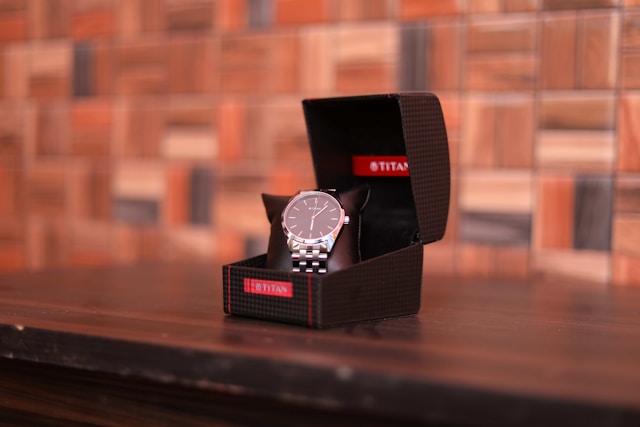
Titan Company Limited is India’s leading lifestyle company with businesses spanning jewellery, watches, eyewear, fragrances, women’s handbags, Indian dress wear, and engineering automation. Built on trusted brands such as Tanishq, Titan, Fastrack, CaratLane, Titan Eye+, Taneira, and Zoya, the company serves millions of consumers through an extensive omnichannel retail network across India and international markets. During FY2025-26, Titan crossed the Rs. 75,000 crore revenue milestone, expanded globally through the acquisition of Damas Jewellery, strengthened premium retail formats, and continued investing in innovation, sustainability, and customer experience.
Operating across multiple consumer lifestyle categories means Titan is influenced by government policies, economic conditions, changing consumer preferences, technological innovation, environmental expectations, and regulatory requirements. The company’s strategy of premiumisation, international expansion, omnichannel retail, and continuous innovation is shaped by these external forces. A PESTEL analysis helps evaluate the macro-environmental factors influencing Titan’s long-term growth.
Titan Company Business Model in 2026: How Titan Makes Money
Political Factors
1. Government Policies Supporting Manufacturing
Government initiatives such as Make in India, manufacturing incentives, export promotion, and industrial development encourage domestic production and strengthen Titan’s manufacturing ecosystem across jewellery, watches, eyewear, and engineering businesses. Management identifies these initiatives as long-term opportunities, particularly for Titan Engineering & Automation Limited (TEAL).
2. International Trade Policies
Titan’s expanding international business is influenced by trade agreements, tariffs, and cross-border regulations. During FY2025-26, management highlighted uncertainties arising from U.S. tariff policies and evolving global trade dynamics while continuing to pursue international expansion across North America and GCC markets.
3. Government Support for Organised Retail
Increasing formalisation of India’s retail sector supports trusted organised players such as Titan by encouraging transparency, quality standards, and consumer protection across jewellery and lifestyle retail. This trend strengthens Titan’s competitive position against fragmented unorganised markets.
4. Infrastructure Development
Government investments in urban infrastructure, logistics, digital connectivity, and transportation improve retail accessibility and support Titan’s expansion into Tier 2, Tier 3, and Tier 4 cities through both physical stores and omnichannel operations.
5. Geopolitical Stability
Management notes that geopolitical developments, particularly tensions in the Middle East and broader global uncertainties, can influence gold prices, international expansion, consumer sentiment, and supply chains. These factors remain important considerations for Titan’s global strategy.
Titan Company Business Strategy in 2026
Economic Factors
1. Rising Consumer Spending
Titan’s growth is closely linked to increasing discretionary spending, rising household incomes, urbanisation, and India’s expanding middle class. Management expects these trends to continue supporting demand for branded lifestyle products across jewellery, watches, eyewear, and fashion categories.
2. Gold Price Volatility
Gold prices significantly influence Titan’s jewellery business. During FY2025-26, management highlighted geopolitical developments that created considerable volatility in gold prices, affecting customer purchasing behaviour and market demand.
3. Premiumisation of Consumption
Indian consumers are increasingly purchasing premium lifestyle products rather than focusing solely on affordability. This supports Titan’s strategy of introducing luxury collections, premium retail formats, and differentiated customer experiences across multiple brands.
4. International Growth Opportunities
Growing demand in North America, GCC markets, and other international regions provides significant long-term growth opportunities. The acquisition of Damas Jewellery further strengthens Titan’s international revenue potential and geographic diversification.
5. Inflation and Commodity Costs
Changes in commodity prices, manufacturing costs, logistics expenses, and foreign exchange rates can influence profitability across Titan’s businesses, particularly in jewellery and manufacturing-intensive operations.
Titan Company SWOT Analysis in 2026
Social Factors
1. Increasing Brand Consciousness
Indian consumers increasingly prefer trusted, organised brands for lifestyle purchases, particularly in jewellery. Titan’s strong reputation for quality, transparency, and customer trust positions it well to benefit from this shift.
2. Changing Lifestyle Aspirations
Consumers are seeking premium experiences, personalised services, luxury products, and emotionally engaging retail journeys. Titan addresses these expectations through premium retail concepts such as Helios Luxe, Rivaah Wedding Lounge, and upgraded flagship stores.
3. Younger Consumer Demographics
Brands such as Fastrack, CaratLane, Mia, SKINN, and IRTH target Gen Z and younger consumers whose purchasing behaviour increasingly influences lifestyle categories. Titan continues adapting its product portfolio to evolving demographic preferences.
4. Omnichannel Shopping Behaviour
Consumers increasingly expect seamless integration between online discovery and offline purchases. Titan’s investment in omnichannel retail, digital engagement, and personalised customer experiences reflects these evolving shopping preferences.
5. Growing Focus on Trust and Transparency
Consumers today seek greater transparency regarding product authenticity, sourcing, and quality. Titan strengthens trust through initiatives such as Diamond Expertise Centres, certified products, jewellery exchange programmes, and educational retail experiences.
Technological Factors
1. Product Innovation
Technology plays a central role in Titan’s product development strategy. During FY2025-26, the company introduced advanced watch movements, engineering-led jewellery manufacturing, luxury complications, and innovative product designs across multiple categories.
2. Digital Retail Transformation
Titan continues investing in digital commerce, omnichannel retail, customer analytics, loyalty platforms, and technology-enabled shopping experiences. Omnichannel sales grew by over 50% during FY2025-26, demonstrating the importance of digital capabilities to future growth.
3. Advanced Manufacturing
The company invests in technologies such as 3D printing, lightweight jewellery engineering, advanced watch manufacturing, precision engineering, and integrated production systems to improve product quality, innovation, and operational efficiency.
4. Technology-Enabled Customer Experience
Titan Eye+ introduced advanced diagnostic technologies, while jewellery businesses launched digital verification and educational tools such as the Diamond Expertise Centre, enhancing customer confidence and shopping experiences.
5. Research and Design Capabilities
Continuous investments in research, design, engineering, and product development enable Titan to introduce differentiated products while maintaining leadership across multiple lifestyle categories.
Environmental Factors
1. Climate and Sustainability Commitments
Titan integrates sustainability into its long-term business strategy through responsible resource management, reduced environmental impact, and sustainable manufacturing practices across its operations.
2. Carbon Emission Reduction
During FY2025-26, the company achieved a 17% reduction in Scope 1 and Scope 2 emissions, reflecting continued investments in cleaner operations and environmental performance.
3. Water Conservation
Titan significantly expanded its water conservation efforts by increasing freshwater storage capacity by 4,003 lakh litres and implementing multiple ecosystem restoration initiatives across Tamil Nadu.
4. Responsible Resource Management
The company focuses on efficient use of natural resources, sustainable sourcing, waste reduction, biodiversity conservation, and environmentally responsible manufacturing as part of its long-term value creation strategy.
5. Community and Environmental Stewardship
Titan invested Rs. 90 crore in CSR initiatives during FY2025-26, supported over 66 social intervention areas, planted 1,05,000 saplings, and continued programmes focused on education, healthcare, water conservation, and environmental restoration.
Legal Factors
1. Consumer Protection Regulations
Titan must comply with regulations governing product quality, hallmarking, customer transparency, warranties, and consumer rights across jewellery, watches, eyewear, and other lifestyle categories. Maintaining consumer trust remains fundamental to its business model.
2. Corporate Governance Requirements
As a listed Tata Group company, Titan follows stringent corporate governance standards, financial reporting requirements, and sustainability disclosures under Indian regulatory frameworks.
3. Intellectual Property Protection
Titan continuously develops proprietary designs, technologies, product innovations, and brand assets. Protecting trademarks, patents, designs, and intellectual property is essential for sustaining competitive differentiation across its lifestyle businesses.
4. Labour and Workplace Compliance
With manufacturing facilities, retail stores, and thousands of employees across India and overseas, Titan must comply with labour laws, workplace safety regulations, employee welfare standards, and occupational health requirements. The company’s strong people-centric culture supports regulatory compliance and workforce engagement.
5. International Regulatory Compliance
As Titan expands globally through Damas, Tanishq, and other international businesses, it must comply with multiple jurisdictions’ import-export regulations, tax laws, retail standards, product certifications, and local consumer protection requirements. Strong compliance capabilities are critical for sustaining international growth.
Source: Titan Annual Report 2025-26