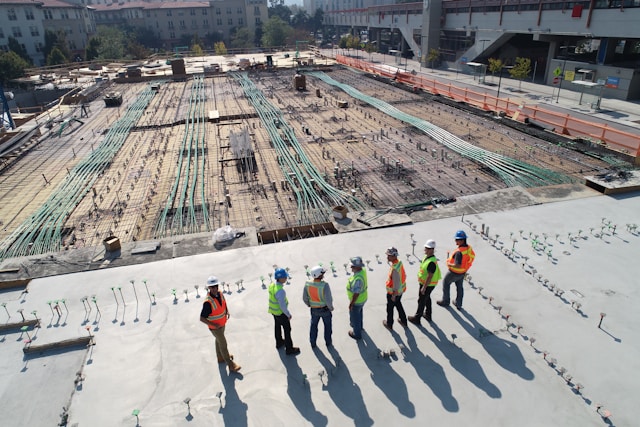
Larsen & Toubro (L&T) is India’s largest engineering and technology conglomerate, operating across infrastructure, energy, manufacturing, IT services, financial services, defence, real estate, semiconductors, green energy, and digital platforms. Over nearly nine decades, the company has evolved from a construction contractor into a diversified technology-driven enterprise capable of delivering complex engineering solutions across more than 50 countries. Its strong engineering expertise, diversified business portfolio, global presence, and technology leadership have made L&T one of India’s most valuable industrial companies.
FY2025-26 was another record year for the company, with order inflows of Rs. 4.36 lakh crore, an order book of Rs. 7.40 lakh crore, Group revenue of Rs. 2.86 lakh crore, and Recurring Profit After Tax of Rs. 17,238 crore. Alongside strong financial performance, the company accelerated investments in Artificial Intelligence, green energy, semiconductor technologies, cloud infrastructure, and digital businesses under its new Lakshya 2031 strategic roadmap.
Despite its leadership position, L&T operates in industries exposed to economic cycles, geopolitical uncertainty, commodity price volatility, and rapid technological change. A SWOT analysis highlights the internal strengths and weaknesses of the company while identifying the external opportunities and threats likely to influence its long-term growth.

Larsen & Toubro Business Model in 2026: How L&T Makes Money
Strengths
1. Highly Diversified Business Portfolio
L&T operates across infrastructure, energy, hi-tech manufacturing, IT services, financial services, real estate, green energy, semiconductors, cloud infrastructure, digital platforms, and defence, reducing dependence on any single business segment.
2. Strong Engineering and Execution Capabilities
With nearly nine decades of engineering expertise, L&T has established itself as one of the few companies globally capable of executing large and complex EPC, infrastructure, manufacturing, and industrial projects across multiple sectors.
3. Record Order Book Providing Revenue Visibility
The company ended FY2025-26 with a record order book of Rs. 7.40 lakh crore, providing strong multi-year revenue visibility and reducing earnings uncertainty.
4. Leadership in Technology and Digital Transformation
L&T is integrating Artificial Intelligence, IoT, robotics, BIM, cloud computing, digital twins, and advanced analytics across engineering, manufacturing, project management, and business operations, strengthening its competitive advantage.
5. Strong Financial Position
The company reported Rs. 2.86 lakh crore in revenue, Rs. 17,238 crore recurring PAT, improving profitability, disciplined working capital management, and a reduced Net Debt-to-Equity ratio of 0.35:1, reflecting strong financial discipline.
Larsen & Toubro Business Strategy in 2026
Weaknesses
1. Dependence on Large Capital Projects
A significant portion of L&T’s revenue depends on large infrastructure, industrial, and energy projects, making growth sensitive to capital expenditure cycles and project approvals.
2. Exposure to Execution Risks
Large engineering projects involve complex execution, long project timelines, multiple subcontractors, regulatory approvals, and cost control challenges that can affect profitability if not managed effectively.
3. High Working Capital Requirements
Engineering and EPC businesses require substantial investments in procurement, inventory, equipment, and project execution before customer payments are realised, increasing working capital intensity.
4. Geopolitical Exposure
A significant share of L&T’s international business comes from the Gulf Cooperation Council (GCC) region, exposing the company to geopolitical developments and regional economic uncertainties.
5. Continuous Capital Investment Needs
Maintaining leadership across engineering, manufacturing, AI, semiconductors, green energy, and digital businesses requires sustained investments in technology, innovation, infrastructure, talent, and research & development.
Larsen & Toubro PESTEL Analysis in 2026
Opportunities
1. India’s Infrastructure Boom
Government investments in transportation, urban infrastructure, water, defence, power, manufacturing, and smart cities create significant long-term opportunities for L&T’s EPC businesses.
2. Energy Transition
Growing investments in renewable energy, green hydrogen, electrolysers, carbon reduction, and energy infrastructure provide substantial expansion opportunities for L&T’s Green Energy businesses.
3. Artificial Intelligence and Digital Engineering
The rapid adoption of AI, cloud computing, digital twins, industrial automation, and smart manufacturing creates opportunities for both L&T’s engineering operations and its technology services businesses.
4. Defence and Semiconductor Localisation
India’s focus on Aatmanirbharta, defence manufacturing, electronics, aerospace, and semiconductor design offers long-term growth potential for L&T’s advanced manufacturing businesses.
5. International Infrastructure Growth
Strong demand for infrastructure, energy, transportation, and industrial projects across the Middle East and other international markets provides opportunities to further expand L&T’s global engineering presence.
Threats
1. Geopolitical Instability
Conflicts, trade disputes, tariffs, and political uncertainty can disrupt supply chains, increase project costs, delay investments, and affect project execution across international markets.
2. Commodity Price Volatility
Fluctuations in steel, cement, fuel, energy, and industrial raw material prices can affect project profitability, especially for fixed-price engineering contracts.
3. Intensifying Global Competition
L&T competes with international engineering firms, EPC contractors, technology companies, and regional infrastructure players across multiple industries and geographies.
4. Rapid Technological Change
The fast pace of innovation in Artificial Intelligence, automation, robotics, semiconductors, and digital engineering requires continuous investment to remain technologically competitive.
5. Cybersecurity Risks
As L&T increasingly digitises project execution, manufacturing, cloud infrastructure, and AI-driven operations, cybersecurity and digital resilience become increasingly important operational risks requiring continuous investment and governance.
Source: L&T Annual Report FY2026