
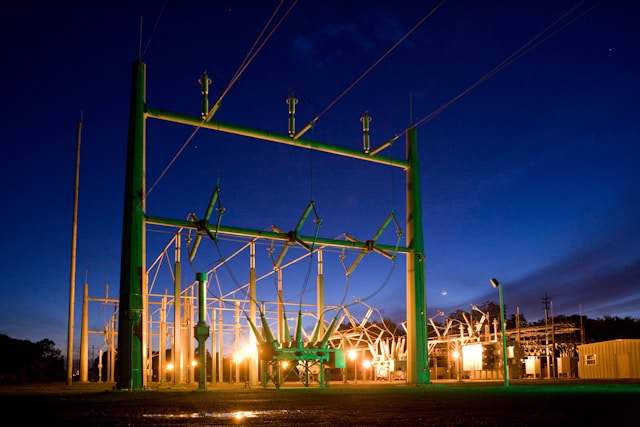
Adani Power Limited (APL) operates in one of India’s most strategically important industries—electricity generation. As India’s largest private-sector thermal power producer, the company supplies reliable baseload electricity that supports industrial growth, urbanisation, digital infrastructure, manufacturing, and national energy security. During FY2025-26, Adani Power operated 18,150 MW of installed capacity and announced plans to increase this to 41,870 MW by FY2031-32, making policy support, infrastructure development, technology adoption, and regulatory stability critical to its long-term success.

The company’s FY2025-26 Integrated Annual Report highlights that India’s electricity demand is expected to grow significantly over the coming decade, while thermal power will continue to play an important role alongside renewable energy. However, Adani Power also operates within a complex external environment shaped by government policies, commodity markets, environmental regulations, technological innovation, and evolving stakeholder expectations. The following PESTEL analysis examines these external factors based on the FY2025-26 Integrated Annual Report.
Adani Power Business Model in 2026: How Adani Power Makes Money

Political Factors
1. Government Focus on Energy Security
The Indian Government continues to prioritise reliable electricity generation to support economic growth, industrialisation, and infrastructure development. This creates a supportive environment for large thermal power producers such as Adani Power.
2. Support for Capacity Expansion
Government projections indicate that India will require substantial additional thermal generation capacity over the coming decade to complement renewable energy and maintain grid stability. This supports Adani Power’s long-term expansion strategy.
3. Public Procurement Through DISCOMs
State electricity distribution companies (DISCOMs) remain major buyers of electricity under long-term Power Purchase Agreements (PPAs). Government procurement policies therefore have a direct impact on Adani Power’s revenue visibility and future growth.

4. Infrastructure Development Policies
National investments in manufacturing, logistics, transportation, and digital infrastructure increase electricity demand, creating favourable long-term conditions for power generation companies.
5. Energy Transition Policies
Government policies continue to promote renewable energy while recognising the ongoing importance of thermal power for providing reliable baseload electricity. Adani Power benefits from this balanced approach to India’s energy transition.
Adani Power Business Strategy in 2026
Economic Factors
1. Rapid Growth in Electricity Demand
India’s growing economy, expanding industrial base, urbanisation, and rising household electricity consumption continue to increase demand for dependable power generation, creating significant growth opportunities for Adani Power.
2. Capital-Intensive Industry
Thermal power generation requires substantial investment in land, power plants, equipment, fuel infrastructure, and maintenance. Efficient capital allocation remains critical for long-term profitability.
3. Commodity Price Volatility
Coal prices and fuel procurement costs significantly influence operating margins. The annual report identifies commodity price risk as one of the company’s principal business risks.
4. Long-Term Contracted Revenue
Long-term PPAs provide stable cash flows, improve financing capability, and reduce exposure to merchant electricity price volatility, strengthening the company’s financial resilience.
5. Infrastructure-Led Economic Growth
Government investment in infrastructure, manufacturing, electric mobility, and digital industries is expected to support sustained electricity demand over the long term, benefiting large power producers.
Adani Power SWOT Analysis in 2026
Social Factors
1. Growing Urbanisation
Increasing urban populations require reliable electricity for residential, commercial, and public infrastructure, supporting long-term growth in power demand.
2. Rising Living Standards
Higher household incomes and improved living standards contribute to greater electricity consumption through increased appliance usage, air conditioning, and digital connectivity.
3. Expanding Industrial Employment
Manufacturing growth and industrial expansion increase demand for dependable electricity to support factories, industrial parks, and production facilities.
4. Increasing Stakeholder Expectations
Investors, communities, customers, and regulators increasingly expect responsible environmental management, operational transparency, and sustainable business practices from large infrastructure companies.
5. Reliable Power as a Development Need
Stable electricity supply remains essential for healthcare, education, digital services, transportation, and economic development, reinforcing the strategic importance of reliable power generation.
Technological Factors
1. Artificial Intelligence in Plant Operations
Adani Power is integrating artificial intelligence into plant operations to improve efficiency, optimise maintenance schedules, and enhance operational decision-making.
2. Predictive Maintenance
The company uses predictive maintenance technologies to improve equipment reliability, reduce unexpected failures, and maximise plant availability.
3. Automation and Digital Monitoring
Connected operational systems, automation, and centralised monitoring enable faster responses, better operational control, and improved asset utilisation across power plants.
4. Data Analytics and Machine Learning
Advanced analytics and machine learning support optimisation of fuel consumption, operational efficiency, and performance monitoring throughout the generation fleet.
5. Modern Thermal Technologies
Investments in advanced thermal generation technologies improve plant efficiency, operational reliability, and long-term competitiveness while supporting large-scale electricity production.
Environmental Factors
1. Greenhouse Gas Emissions
As a thermal power producer, Adani Power faces increasing expectations to manage greenhouse gas emissions while supporting India’s growing electricity requirements.
2. Air Emissions Management
The company identifies air quality and emissions management as important environmental priorities requiring continuous monitoring and compliance.
3. Water Resource Management
Thermal power generation requires significant water resources, making efficient water management an important sustainability priority.
4. Waste and Ash Management
Responsible management of fly ash and other industrial waste remains essential for environmental compliance and sustainable plant operations.
5. Biodiversity and Climate Risks
The annual report highlights biodiversity protection and climate-related considerations as part of the company’s broader environmental risk management framework.
Legal Factors
1. Electricity Sector Regulations
Adani Power operates within a highly regulated industry governed by electricity laws, tariff regulations, and sector-specific compliance requirements.
2. Environmental Compliance
The company must comply with environmental regulations covering emissions, waste management, water usage, and pollution control across all operating facilities.
3. Power Purchase Agreement Obligations
Long-term PPAs require adherence to contractual performance standards, operational commitments, and electricity supply obligations.
4. Corporate Governance Requirements
As a listed company, Adani Power follows governance, financial reporting, disclosure, and risk management requirements applicable to Indian public companies.
5. Enterprise Risk Management
The annual report identifies regulatory risk, commodity price risk, merger and acquisition risk, and reputation risk as key business risks that are actively monitored through the company’s enterprise risk management framework.